Discover the Unique Meanings Behind Your Birth Flower and You
Posted on 21/06/2025
Discover the Unique Meanings Behind Your Birth Flower and You
Have you ever wondered if the month you were born in holds a special flower just for you? Much like birthstones, birth flowers carry deep-rooted symbolism and personal stories. In this article, we'll take you on a captivating journey through the unique meanings behind your birth flower and you, exploring how these botanical beauties represent individual personalities, strengths, and quirks.
What Is a Birth Flower?
A birth flower is a flower traditionally associated with each month of the year. These blossoms aren't merely decorative--they're steeped in history, culture, and symbolism. For centuries, different societies have assigned special flowers to each month, believing these blooms reflect the essence, traits, and destiny of those born within them.
- Personal symbolism: Each flower captures unique virtues and characteristics.
- Gift-giving traditions: Birth flowers are thoughtful, personalized presents celebrating milestones.
- Botanical beauty: These flowers add meaningful decoration to celebrations such as birthdays and anniversaries.
Discovering Your Birth Flower and Its Unique Meaning
Ready to uncover the hidden meaning behind your birth flower? From January's wintery elegance to December's festive flair, uncover the traits these lovely blossoms represent--and what they reveal about you!
January - Carnation (Dianthus caryophyllus)
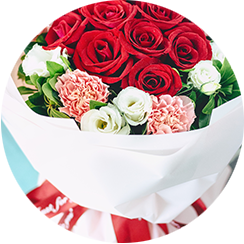
Carnations are famed for their ruffled beauty and striking durability amid winter's chill. They symbolize admiration, love, and distinction. Carnation-born individuals are often strong-willed, resilient, and respectful of others' feelings. The unique colors also have specific meanings: pink for affection, red for love, and white for pure intentions.
February - Violet (Viola) and Iris
Violets evoke modesty, faithfulness, and virtue, representing those who are quietly supportive and steadfast in love. The iris carries connotations of wisdom, hope, and courage. If February is your month, you likely possess a gentle strength and inspire trust.
March - Daffodil (Narcissus)
The daffodil, herald of spring, shines with meanings of rebirth, new beginnings, and creativity. March-born individuals have a hopeful spirit, often lighting up the lives of those around them. Their optimism is contagious, and they see potential where others see challenge.
April - Daisy (Bellis perennis) and Sweet Pea
The classic daisy stands for innocence, purity, and joy, perfect for cheerful, genuine souls. Sweet peas add nuances of gratitude and delicate pleasure. People with April as their birth month are imaginative, honest, and bring a sense of youthfulness everywhere they go.
May - Lily of the Valley (Convallaria majalis) and Hawthorn
The lily of the valley signifies humility, sweetness, and the return of happiness. The hawthorn blossom, prevalent in folklore, means hope and supreme happiness. If you're born in May, you exude grace and bring tranquility to those around you.
June - Rose (Rosa) and Honeysuckle
Who can resist the rose, the timeless symbol of love and passion? Each color has a different meaning, from red's romance to white's innocence. Honeysuckle delivers messages of devotion and enduring bonds. June-born individuals are passionate, loyal, and deeply value relationships.
July - Larkspur (Delphinium) and Water Lily
The larkspur is associated with positivity, dignity, and an open heart, while the water lily stands for purity and enlightenment. If you're a July baby, you are likely optimistic and compassionate, acting as a beacon of hope.
August - Gladiolus and Poppy
August's gladiolus embodies strength, integrity, and remembrance. The dazzling poppy is linked to imagination and restful sleep. People born this month are known for their determination, vibrant ideas, and respectful nature.
September - Aster and Morning Glory
With its star-like petals, the aster means wisdom, faith, and valor. Morning glories unfurl with the sunrise, symbolizing affection and unrequited love. September-born individuals are thoughtful, charming, and sometimes mysterious.
October - Marigold (Tagetes) and Cosmos
The bright-orange marigold stands for warmth, creativity, and passion. Cosmos signify order, peace, and modesty. Those born in October are lively and optimistic, shining light on the lives of everyone around them.
November - Chrysanthemum
November's blossoming gem, the chrysanthemum, is synonymous with loyalty, friendship, and abundance. In many cultures, it represents a life of joy and prosperity. November-borns are resilient, wise, and carry a warm energy wherever they go.
December - Narcissus (Paperwhite) and Holly
The narcissus (specifically the paperwhite variety) signifies good wishes, faithfulness, and respect. Holly evokes protection and domestic happiness. For December-born individuals, a nurturing spirit, optimism, and festive charm are often present.
How Birth Flowers Reflect Personality Traits
Understanding the unique meanings behind your birth flower and you can offer a deeper appreciation for your special qualities and how you interact with the world. Each flower's symbolism aligns beautifully with personality attributes commonly associated with its birth month.
- Resilience: Flowers such as the carnation and chrysanthemum symbolize enduring strength for those born in challenging seasons.
- Joy and optimism: Daffodils, daisies, and sun-drenched marigolds radiate positivity, connecting with individuals who uplift those around them.
- Loyalty and love: Roses, larkspur, and chrysanthemums are perennial emblems of trust, devotion, and deep connections.
- Creativity and imagination: Gladiolus, poppy, and morning glory inspire those with vibrant minds and visionary perspectives.
So, do you recognize yourself in your birth flower's meaning? Whether you naturally embody these traits or aspire to them, knowing your birth flower's symbolism can be a source of inspiration and self-reflection.
Birth Flowers, Astrology, and Self-Expression
Just as zodiac signs reflect the stars' influence on your personality, birth flowers offer a unique botanical dimension to self-discovery. Many believe the language of flowers can be used to:
- Guide you toward personal growth and emotional wellness
- Add meaningful symbolism to gifts, bouquets, and celebrations
- Infuse your home with energy that aligns with your natural strengths and aspirations
For example, gifting a friend their birth flower on a birthday can be a heartfelt gesture that shows thoughtfulness and a deep personal connection.
Tips for Incorporating Your Birth Flower into Daily Life
- Home Decor: Display your birth flower in vases, artwork, or textiles for an environment that fosters positive energy.
- Self-Care: Indulge in bath products, essential oils, or teas featuring your birth flower to promote harmony.
- Personal Style: Wear jewelry or clothing adorned with your blossom to express your unique story.
- Mindfulness: Meditate on your birth flower's symbolism when setting personal goals or affirmations.
Why Knowing The Unique Meanings Behind Your Birth Flower and You Matters
Birth flowers are more than charming traditions--they're gateways to understanding identity, culture, and the connections we nurture with others. Knowing the story of your birth flower can:
- Enhance your personal storytelling: Craft a memorable narrative for bios, presentations, or introductions by weaving in your birth flower's symbolism.
- Inform gift-giving: Celebrate special relationships with personalized floral gestures.
- Foster mindfulness: Let your birth flower's virtues be a reminder of your strengths and purpose throughout the year.
Frequently Asked Questions About Birth Flowers
Can birth flowers vary by region or culture?
Absolutely! While the Western calendar associates particular birth flowers with each month, other cultures may use different flowers or meanings based on climate, local folklore, and traditions. For example, in Japan, each month also has "hanakotoba"--a unique language of flowers.
What is the origin of birth flowers?
The practice dates back to ancient Rome and Greece, where flowers were believed to be gifts from the gods and symbols of fate. Over time, the tradition spread, with each culture attributing its own meanings and associations--creating the fascinating tapestry of birth flower symbolism we see today.
Can I have more than one birth flower?
Yes! Some months, like April or June, have two traditional birth flowers. Also, individual traditions or regions may attribute different flowers, allowing for a richer scope of symbolism and personal expression.
Conclusion: Embracing the Power and Beauty of Your Birth Flower
As you journeyed with us through the unique meanings behind your birth flower and you, perhaps you've found a new appreciation for nature's subtle messages. From delicate violets to proud gladiolus, every birth flower offers a new opportunity to celebrate your story. Let your floral emblem guide you toward self-discovery, inspire thoughtful gifting, and brighten your world with intentional beauty.
Which birth flower blooms for you? Embrace its meaning and let your life blossom in new and extraordinary ways!